
How To Smash Writer's Block
Revisit the Abandoned Gold

It’s hard to revisit a work that has aged, even a little.
The passion that got you started writing is long gone.
Revisiting old work is also revisiting your old self.
And that is not always pleasant to do.
But this is an opportunity to find gold in a vein you abandoned because prospecting got outdated and unpopular.
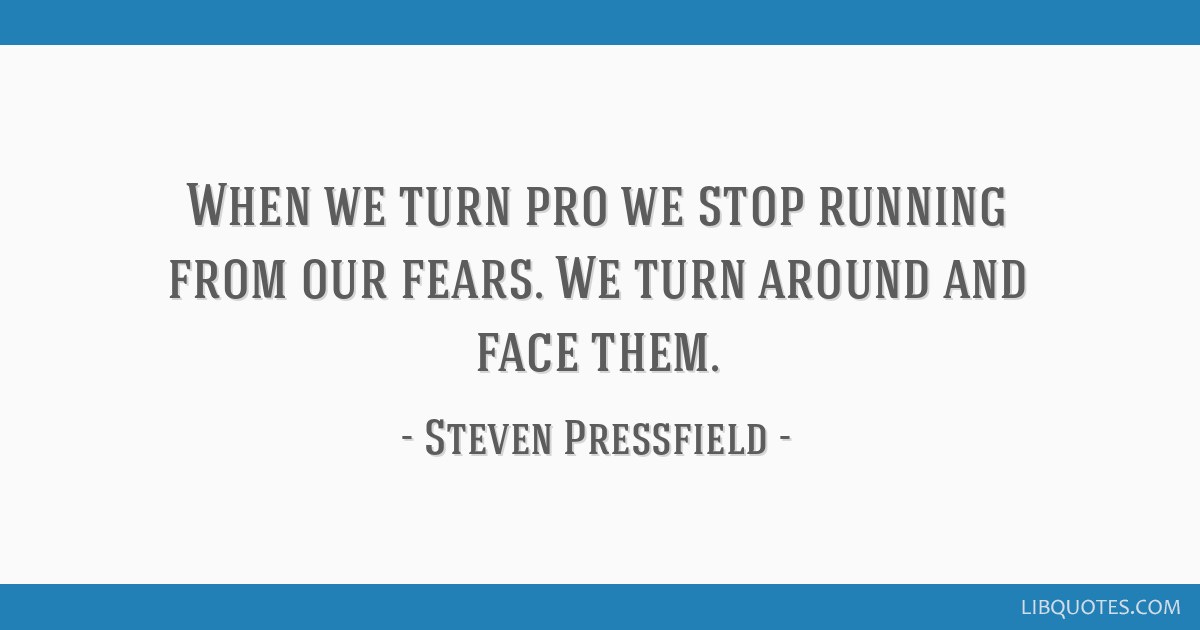
This is a moment to “turn pro.”
What Steven Pressfield describes in the war of art, as doing the work, because the work demands to be done, regardless of your feelings.
The dirty gold nuggets demand to become gold items of jewelry.
When you finish the work from a place of accomplishment, and not wild amateur enthusiasm.
Below is my Note:
About a week ago I found a script I thought I’d lost from a year ago or so.
And at first I didn’t want to look at it.
It felt so distant and alien.
Like someone else has written it.
After a few read throughs I started feeling excited about it.
There were some interesting things happening on the page, some batshit crazy ideas flying.
I began writing again.
I finished it a week later.
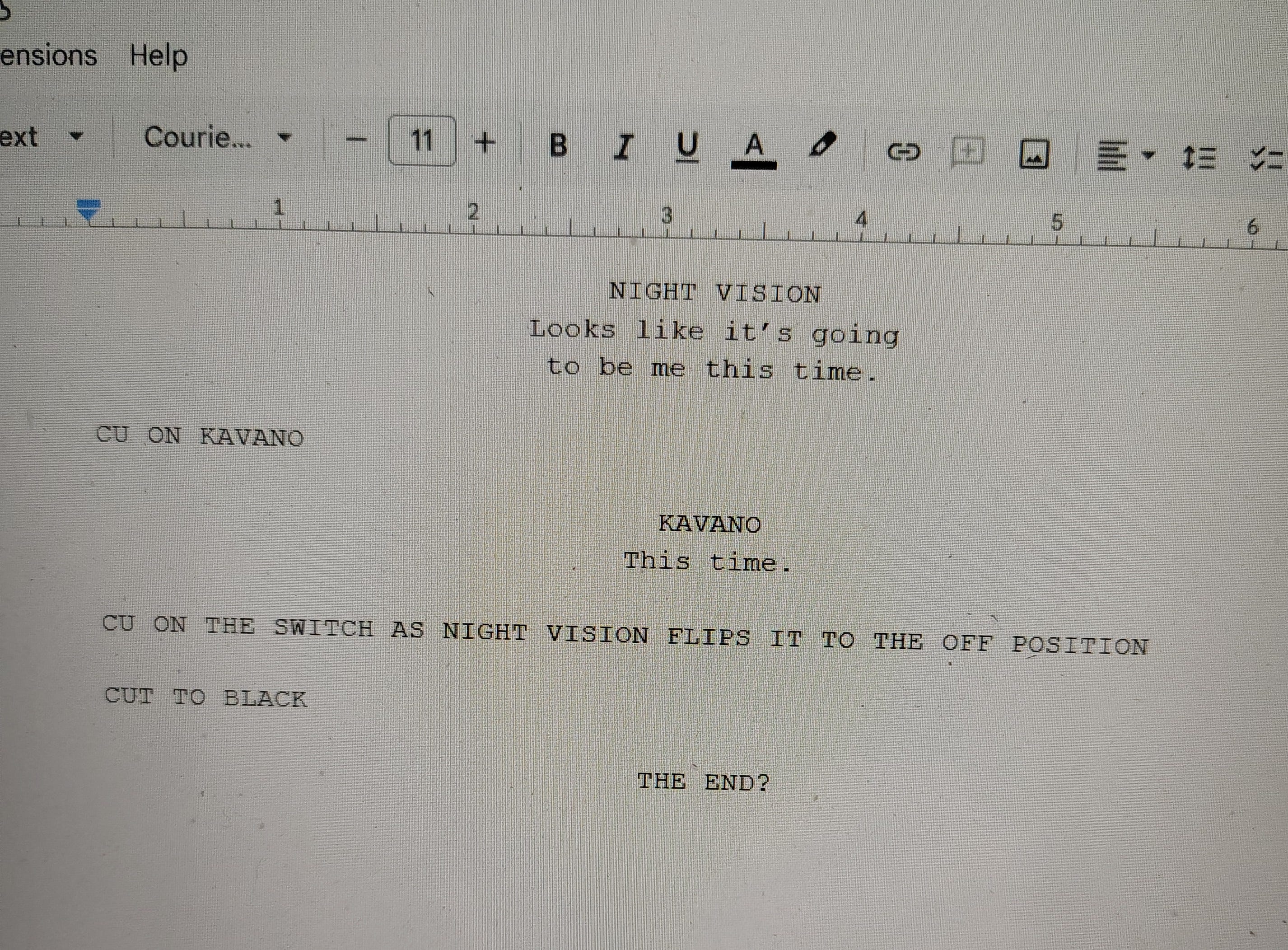
The hero has won. The threat is over. Or is it?
Resistance is a natural reaction.
So much time invested in writing, to then lose it, to suddenly have it back.
And now you’re a different person.
But don’t force yourself.
Instead, get acquaintanted with it.
Get to know the characters and their world.
Let those factors be the magnet that pulls you in to this place.
The Lost Reel
About a week ago, I found a script I thought I’d lost.
It was buried in a digital drawer — like an old film canister, misfiled and forgotten.
When I opened it, the words looked alien.
Familiar, but distant.
Like a movie I’d shot in a dream and only now remembered existed.
Revisiting old work is hard.
The passion that got you started — that raw, naive, feral energy — it’s gone. You’ve changed. The person who wrote those words doesn’t live here anymore.
But revisiting your old work is revisiting your old self.
And that’s not always pleasant.
There’s a reason most artists avoid the archive. It’s uncomfortable to see your early fingerprints, the clumsy lines, the overreaching ambition. But beneath all that awkwardness, something glints.
Sometimes, you find gold in a vein you abandoned because the tools went out of style. Because the digging got hard. Because no one was watching.
That’s when the real work begins.
This is the moment Pressfield talks about — the moment you turn pro. When you stop chasing the rush of inspiration and start showing up because the work demands to exist.
The rough gold nuggets of your past ideas — they’re not trash. They’re raw material. They want to become jewelry. They need the version of you that exists now to refine them.
So I read the old script again.
And again.
Somewhere between the third read and the first rewrite, something cracked open. The story started breathing. The younger version of me — reckless, chaotic, hungry — reached out a hand. And the older me, disciplined and calm, took it.
We finished the work together.
If you’ve got something half-buried — a script, a sketch, a comic page — go find it. Dust it off. Thread the reel back through the projector.
Watch who you used to be.
Then sit down and finish what they started.
Not for the thrill.
For the craft.
For the gold still waiting in the dark.
And the gold that it brings out of you.
Future Me is probably hoping Present Me stops abandoning projects for her to finish. 😂
Happy Monday Jay
This really resonated with me, as I pulled up an old manuscript yesterday and went through the exact same spread of emotions.
It was definetly worth leaving it a while and then reading it with fresh eyes.
Some great advice here—thanks for sharing.