
What James Bond Comic Strips Taught Me About Storytelling
Story Format Matters

I recently read two James Bond comic strip adaptations that taught me something crucial about storytelling: a great story can be absolutely killed by the wrong format.
Let me explain.
The Man With The Golden Gun has a long setup. Bond has been captured by the Russians, brainwashed, and sent back to the UK to assassinate M. What follows is scene after scene of Bond moving through MI5 office fronts, trying to make contact with M. Different agents question him to establish his identity, then send him to another office.
Here’s the problem: this was adapted as a comic strip.
Newspapers dedicate one page to comic strips, sometimes four pages on Sundays, but they have to squeeze in a dozen different syndicated strips on each page. Each installment is this tiny sliver of story. Reading the collected edition was tedious. I nearly gave up reading it before Bond finally makes contact with M and the story proper gets going.
And I had the luxury of reading the collected book, where the individual strips were arranged chronologically. Had I been reading this in real-time, one strip per day in the newspaper, I would have abandoned it completely. Too many strips dedicated to setup, with no payoff in sight.
This works in film, TV, streaming, and animation.
Now contrast that with the adaptation of The Living Daylights, which was in the same volume I read The Golden Gun.
This story hits the ground running and maintains tension throughout the entire narrative. The episodic breakdown worked perfectly for the comic strip format. Each tiny installment moved the story forward with momentum and mounting tension. The format supported the story instead of strangling it.
This got me thinking about how we often focus so much on what we’re telling, but not enough on how we’re delivering it. A story that needs a slow burn, that requires patience from the reader as pieces fall into place, that story needs breathing room. It needs a format where readers can settle in and trust the journey. A pure graphic novel adaptation with an ample page count would have served The Man With The Golden Gun beautifully.
But a story with immediate tension, clear stakes, and constant forward motion? That can thrive in bite-sized chunks of story.
The format isn’t just a container for your story.
It’s part of the storytelling itself.
The wrong format doesn’t just fail to showcase your story.
It actively works against it, creating friction where there should be flow.
So here’s my invitation to you: experiment with format.
If you’re working on something that’s not landing the way you hoped, maybe the story isn’t the problem. Maybe it’s the vessel you’ve chosen for it. Try telling it a different way.
Serialize it.
Condense it.
Expand it.
See what happens when you stop trying to force your story into a format and instead find the format that wants to hold it.
Your story might be perfect.
Now it needs the right home.
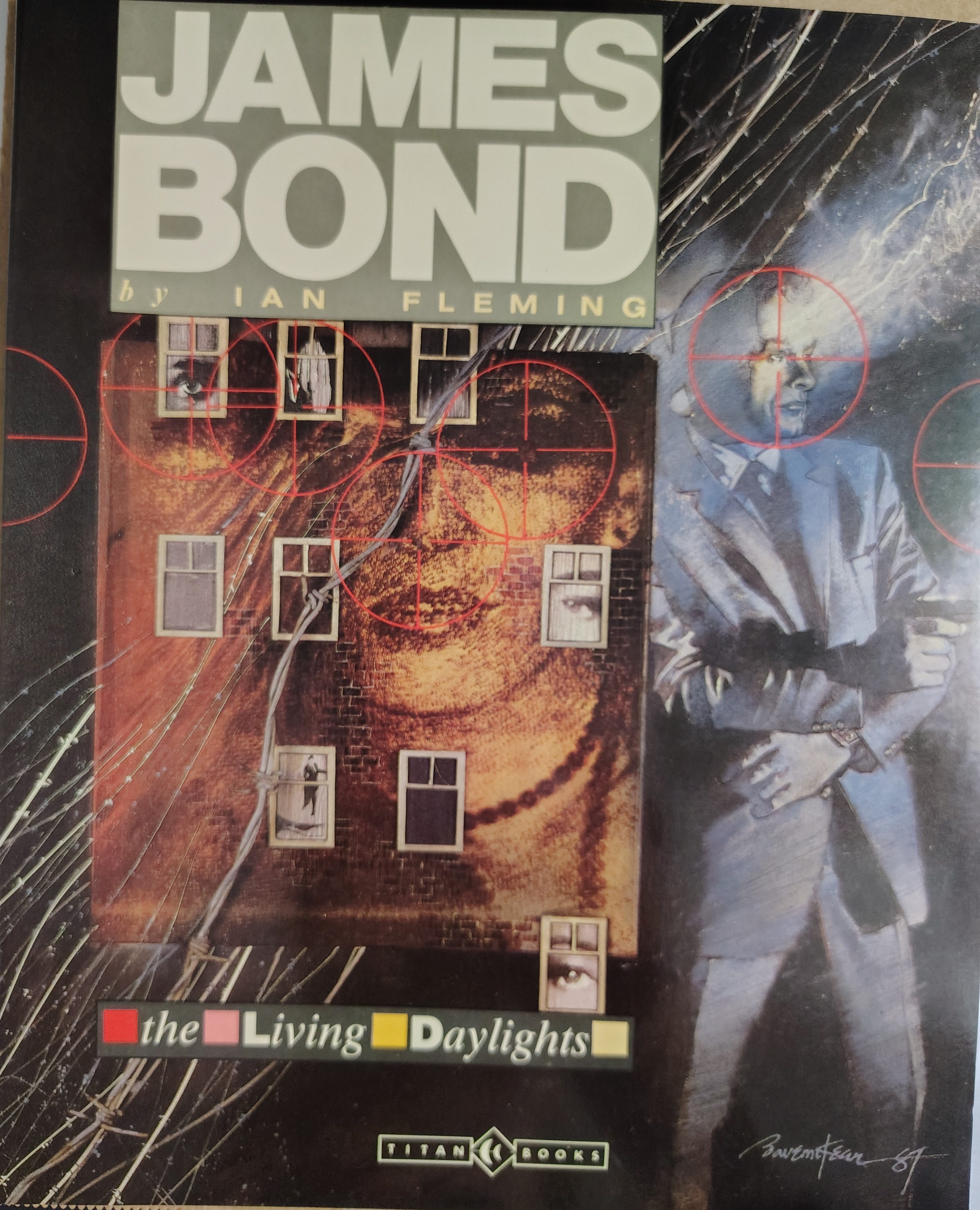
The collected James Bond comic strips. This one has two full adaptations in one elegant volume.
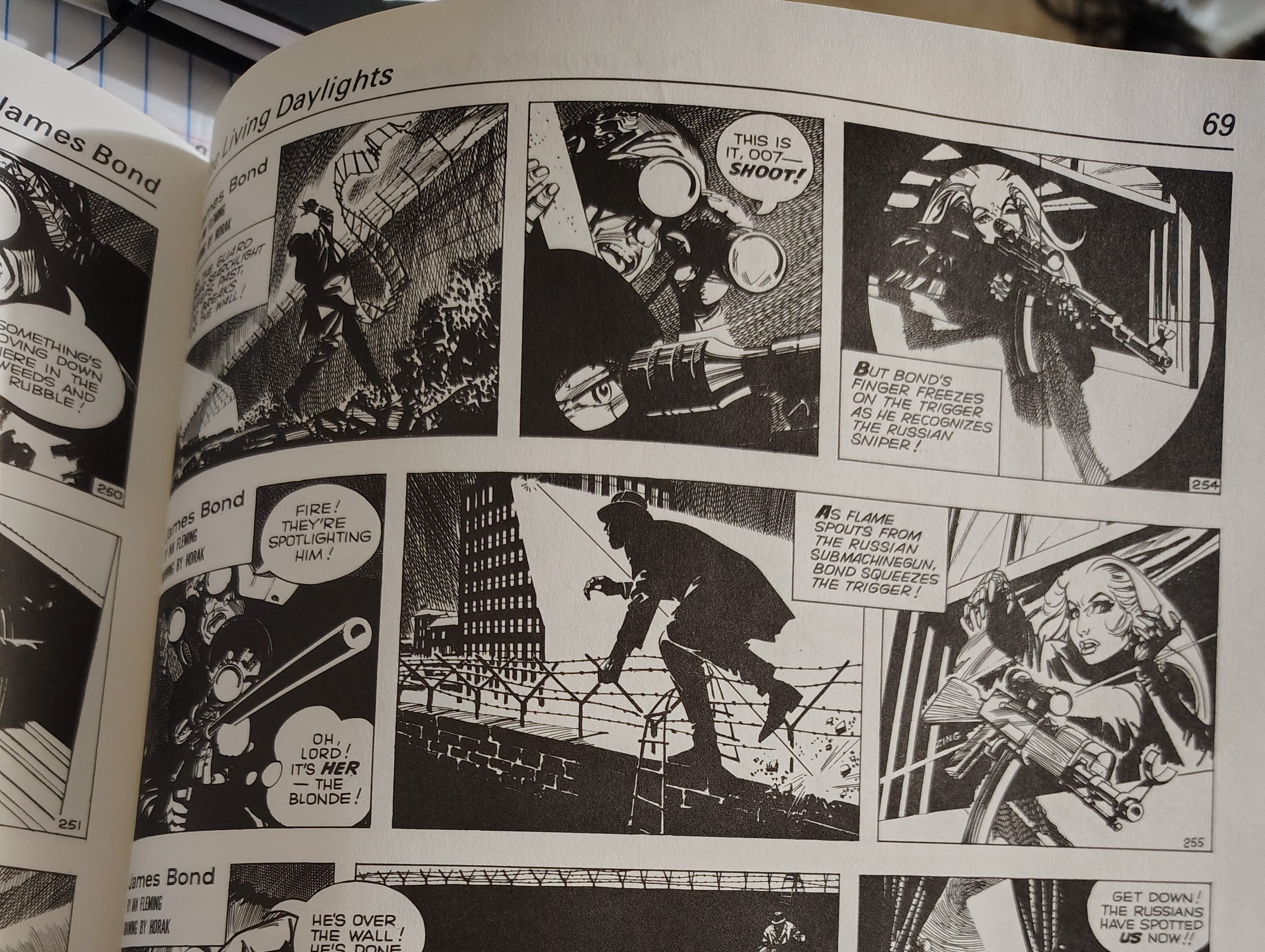
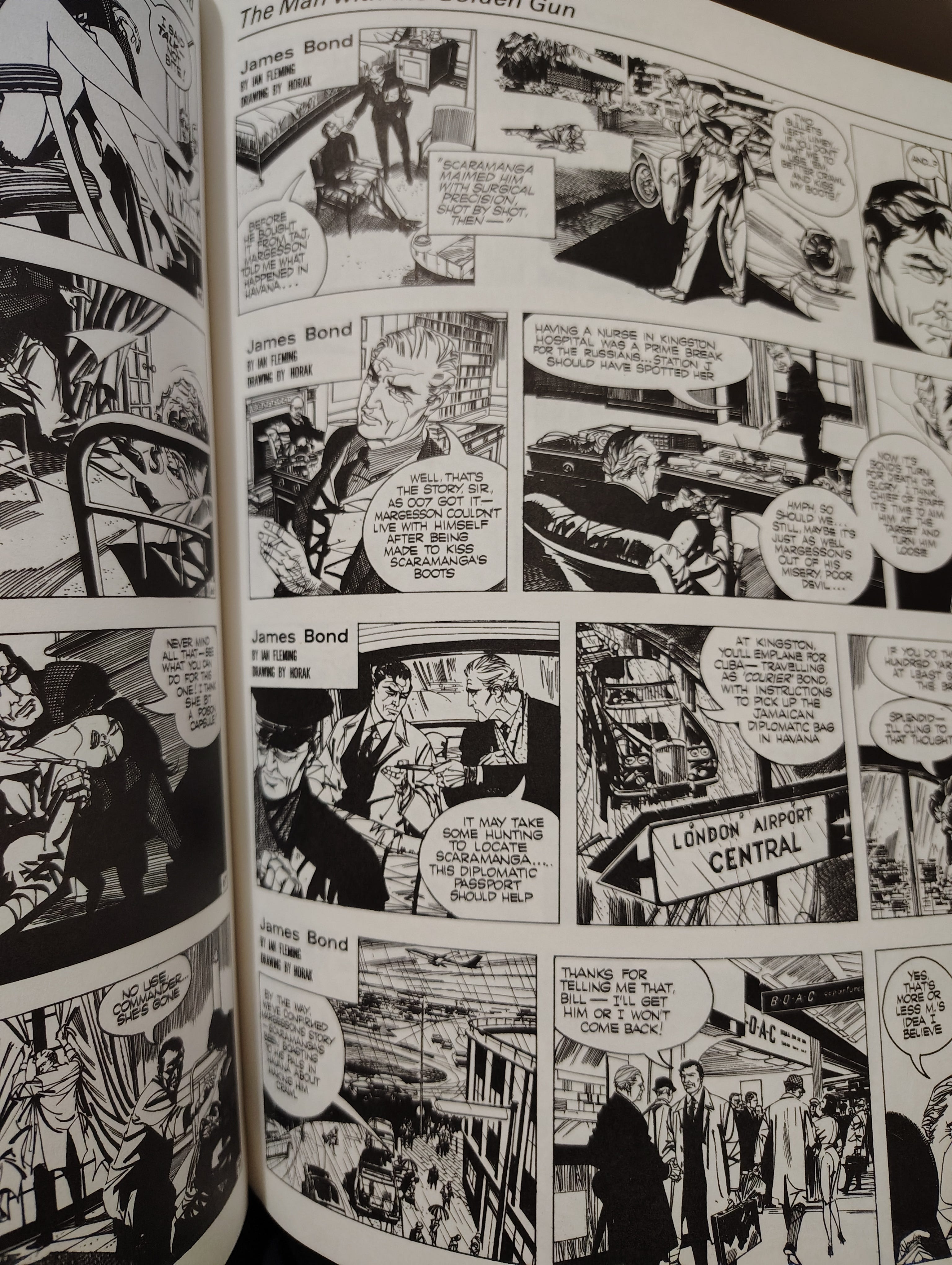
007 is the coolest
The comics actually look pretty cool! I thought they might look like lazy newspaper repurposed material but the art looks good.